
 🌟 Recovering From Stroke with Hypnosis: Unlock Your Mind’s Healing Power
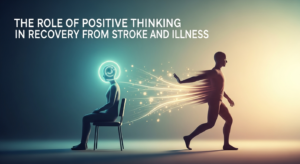 🌟 Recovering From Stroke with Hypnosis: Unlock Your Mind’s Healing Power
Stroke recovery is rarely a straight path. It involves physical therapy, medication, lifestyle changes—and a crucial ingredient many overlook: the power of your mind. While medical treatment remains essential, clinical hypnosis offers a scientifically supported way to strengthen motivation, reduce stress, and accelerate rehabilitation progress.
💡 How Hypnosis Supports Stroke Recovery
Hypnosis is a focused state of awareness that helps rewire thought patterns and access inner resources. For stroke survivors, it complements traditional therapy by:
- Reducing stress hormones that slow healing
- Boosting motivation to stick with repetitive exercises
- Managing pain perception without additional medication
- Strengthening mind-body connection to support neuroplasticity
- Easing anxiety and depression common after stroke
Unlike forced positivity, hypnosis works with your nervous system to create genuine calm and focused determination.
🧠 Real Situations Where Hypnosis Helps
Maria’s Story: After her stroke affected her right arm, Maria dreaded daily therapy. Through guided hypnosis sessions, she learned to visualize neural pathways rebuilding with each movement. Within three weeks, she reported less pain during exercises and practiced 20% more repetitions at home.

David’s Experience: David struggled with post-stroke anxiety and feared another event. Hypnosis helped him replace catastrophic thoughts (“I’m going to have another stroke”) with grounded affirmations (“My body is healing with each healthy choice”). His sleep improved, and he engaged more fully in speech therapy.
🌈 Practical Ways Hypnosis Enhances Daily Recovery
Morning Focus Sessions Start your day with a 5-minute hypnosis audio designed for stroke recovery. This sets a calm, determined tone before therapy begins.
Pain Management During Therapy Hypnotic techniques like glove anesthesia can reduce discomfort during stretching or mobility work, helping you complete full sessions without avoidance.
Sleep Restoration Quality sleep is critical for neuroplasticity. Hypnosis audios targeting deep rest help survivors fall asleep faster and experience more restorative sleep cycles.
Confidence Building Hypnosis reframes limiting beliefs (“I’ll never walk normally”) into growth-oriented perspectives (“My brain is learning new pathways every day”).
⚠️ Important: Hypnosis Complements Medical Care
Hypnosis is not a replacement for physical therapy, medication, or doctor supervision. It works best as part of an integrated recovery plan. Always consult your neurologist before adding complementary therapies to your regimen.
🔗 Helpful Resources
- American Society of Clinical Hypnosis: www.asch.net – Find certified hypnosis professionals
- National Stroke Association: www.stroke.org – Evidence-based recovery guidelines
- Mindfulness-Based Stress Reduction Programs: www.umassmed.edu/cfm – Complementary mind-body approaches
- Stroke Recovery Hypnosis Audios (by certified practitioners): Available through ASCH provider directory
- Stroke Home Care Services https://www.truehomecare.co.uk/services/stroke-care/
💪 Getting Started Safely
- Ask your rehabilitation team about adding hypnosis to your care plan
- Seek a hypnotherapist certified by ASCH or similar accredited body with stroke recovery experience
- Begin with 1–2 short sessions weekly alongside regular therapy
- Track small wins: better sleep, increased therapy participation, reduced anxiety
🌻 A Balanced Approach to Healing
Healthy recovery embraces both medical science and mind-body tools. Hypnosis offers stroke survivors a practical way to:
- Stay motivated during slow progress periods
- Reduce the stress that impedes healing
- Build mental resilience alongside physical strength
- Reclaim agency in their recovery journey
Your mind is not separate from your body’s healing process. By harnessing focused awareness through hypnosis, you give your brain the optimal conditions to rebuild, adapt, and thrive.


